

Aboriginal and Indigenous maps are not merely cartographic representations of land. They are palimpsests, layered with ancestral knowledge, historical narratives, and profound cultural significance. Delving into these maps unearths a wealth of untold stories, offering a unique perspective on the relationship between Indigenous peoples and their environment. These representations challenge conventional notions of mapping, moving beyond the purely spatial to encompass the spiritual, the ecological, and the socio-political.
I. Songlines and Dreamtime Maps: Navigating the Ancestral Realm
Songlines, also known as Dreaming tracks, represent a foundational element of Aboriginal mapping. These are not maps in the Western sense, but rather complex networks of paths etched into the landscape by ancestral beings during the Dreamtime. The songs associated with these paths encode vital information about navigation, resources, and sacred sites. These songs are mnemonic devices, aiding individuals in traversing vast distances and remembering crucial ecological details.
Imagine a young initiate undertaking a rite of passage. Guided by the elders and the rhythm of the song, they traverse the landscape, learning the location of water sources, the habits of animals, and the significance of particular landmarks. The songline is more than a route; it is a living map that connects the individual to their ancestors and the land itself. Disruption to these songlines, through development or other forms of encroachment, represents a profound loss of cultural heritage.
Dreamtime stories are intrinsically linked to these pathways. They offer explanations for the creation of the landscape and the origins of life. These narratives, passed down through generations, provide a framework for understanding the interconnectedness of all things. A place seemingly insignificant to the untrained eye might hold immense significance because of a particular Dreamtime event. The maps woven into these stories are not static; they are constantly being reinterpreted and re-enacted through ceremony and daily life.
II. Resource and Land Management Maps: A Testament to Ecological Wisdom
Beyond the spiritual realm, Aboriginal maps also served a highly practical purpose: resource and land management. These maps, often rendered in sand, ochre, or bark, depicted the location of key resources such as waterholes, hunting grounds, and medicinal plants. They also revealed the subtle nuances of the landscape, indicating seasonal changes, soil types, and fire regimes. These were not static documents; they were dynamic tools that reflected an intimate understanding of the environment.
Consider the practices of controlled burning, a technique employed by Aboriginal peoples for millennia to manage the landscape. Maps, both literal and conceptual, played a crucial role in this process. Knowledge of prevailing winds, fuel loads, and vegetation types was essential for conducting burns safely and effectively. These maps informed decisions about when and where to burn, ensuring the health of the ecosystem and preventing catastrophic wildfires.
The sophistication of Aboriginal land management practices is increasingly recognized by contemporary scientists and policymakers. By studying these historical maps and traditional knowledge systems, we can gain valuable insights into sustainable resource management and climate change adaptation. The loss of this knowledge represents a significant impediment to addressing environmental challenges.
III. Contact-Era Maps: Negotiating Colonial Encounters
The arrival of European colonizers brought about a period of immense upheaval for Aboriginal communities. As land was appropriated and traditional ways of life disrupted, Aboriginal peoples began to use maps as a means of communication and negotiation. These contact-era maps, often created for European surveyors and settlers, represent a fascinating intersection of Indigenous and Western cartographic traditions.
These maps were often imbued with hidden meanings and strategic intent. While ostensibly providing information about the landscape to newcomers, they also served to assert Aboriginal claims to land and resources. They could also be used to mislead or misdirect colonizers, protecting sacred sites and preventing encroachment on sensitive areas. Consider the challenge of translating complex ecological and spiritual knowledge into a format understandable to those with a vastly different worldview. These maps are not simply depictions of space; they are acts of resistance.
The study of these maps sheds light on the complex power dynamics of the colonial era. They reveal the ways in which Aboriginal peoples sought to maintain control over their lands and protect their cultural heritage in the face of overwhelming pressure. They are poignant reminders of the resilience and ingenuity of Indigenous communities in the face of adversity. Understanding the context surrounding the creation of these maps is crucial for interpreting their significance and appreciating the perspectives of the Aboriginal peoples who created them.
IV. Contemporary Indigenous Mapping: Reclaiming and Revitalizing Cultural Heritage
In recent years, there has been a resurgence of interest in Indigenous mapping, driven by a desire to reclaim and revitalize cultural heritage. Contemporary Indigenous cartographers are using a range of tools, from traditional methods to cutting-edge technologies, to document and share their knowledge of the land. This includes creating digital maps, interactive websites, and community-based mapping projects. These projects empower Indigenous communities to assert their rights, manage their resources, and preserve their cultural identities.
Geographic Information Systems (GIS) is an example of a technology that allows Indigenous communities to map their traditional lands and overlay them with other datasets, such as resource extraction licenses or conservation areas. This empowers communities to advocate for their rights and protect their cultural heritage. These maps are also used in education and cultural tourism, sharing the stories and knowledge of Indigenous peoples with a wider audience. Through these efforts, Indigenous communities are ensuring that their voices are heard and their knowledge is valued.
Contemporary Indigenous mapping is not simply about recreating old maps; it is about creating new narratives and shaping the future. It is about empowering Indigenous communities to define their own identities and assert their rightful place in the world. By embracing both traditional knowledge and modern technology, these cartographers are charting a course towards a more just and sustainable future for all.
The stories woven into Aboriginal and Indigenous maps are profoundly important. They offer insights into the past, inform the present, and shape the future. By listening to these stories and honoring the knowledge embedded within these maps, we can move towards a deeper understanding of the relationship between humans and the land, and contribute to a more equitable and sustainable world.
Gallery of Moving, Untold Stories Of Indigenous History Shared – PelhamToday.ca
Who Are The Real Native New Yorkers? Exploring The Untold Stories Of
segd.org
Golf Dreaming By John Maynard: Aboriginal Culture And Golf's Untold
indigenousnewsaustralia.com
Maps Untold | Eindhoven
www.facebook.com
Who Are The Real Native New Yorkers? Exploring The Untold Stories Of
segd.org
They Served With Honour – Untold Stories Of WA Aboriginal Servicemen At
histwest.org.au
Maps Untold | Eindhoven
www.facebook.com
Maps Untold | Eindhoven
www.facebook.com
Maps Untold | Eindhoven
www.facebook.com
They Served With Honour – Untold Stories Of WA Aboriginal Servicemen At
histwest.org.au
Moving, Untold Stories Of Indigenous History Shared – PelhamToday.ca
www.pelhamtoday.ca
Artpark Exhibit Tells Untold Indigenous Community Stories
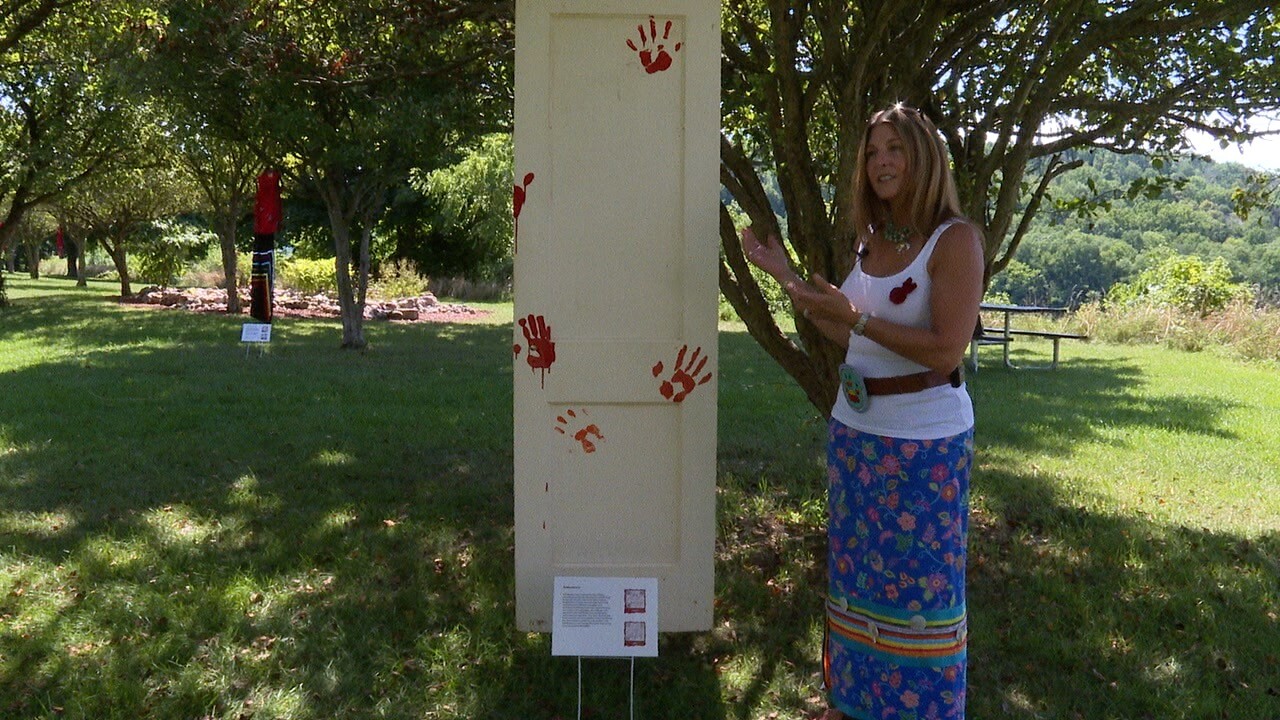
www.wkbw.com
Maps Untold | Eindhoven
www.facebook.com
Maps Untold | Eindhoven
www.facebook.com
Maps Untold | Eindhoven
www.facebook.com
Maps Untold | LinkedIn
www.linkedin.com
Artpark Exhibit Tells Untold Indigenous Community Stories
www.wkbw.com
Moving, Untold Stories Of Indigenous History Shared – PelhamToday.ca
www.pelhamtoday.ca
Maps Untold | Eindhoven
www.facebook.com
Golf Dreaming By John Maynard: Aboriginal Culture And Golf's Untold
indigenousnewsaustralia.com
Maps Untold | LinkedIn
www.linkedin.com
Maps Untold | LinkedIn


Leave a Comment