

Imagine holding a map not etched with latitudes and longitudes, but brimming with stories woven into the very fabric of the land. Can we truly understand a place without understanding its indigenous cartography, without acknowledging the ancestral narratives embedded within its contours? The challenge, then, isn’t just about recognizing the existence of these maps, but deciphering their unique symbology and appreciating the profound cultural epistemologies they embody.
For millennia, Aboriginal and Indigenous peoples across the globe have utilized sophisticated mapping systems far removed from the Western cartographic tradition. These maps, often dismissed as primitive or simplistic, represent complex understandings of geography, resource management, and spiritual connection. They are not merely representations of physical space; they are living documents, evolving narratives that reflect the dynamic relationship between communities and their environments.
Rock Art and Petroglyphs: Ancient Cartographic Canvases
Across continents, ancient rock art provides invaluable insights into indigenous spatial reasoning. Consider the petroglyphs of Australia, or the pictographs of the American Southwest. These aren’t random scribbles; they are often meticulously placed markers, representing significant landmarks, water sources, or ancestral trails. These archaic canvases served as mnemonic devices, aiding in the transmission of vital knowledge across generations. The placement of the glyphs themselves could indicate directional information, the size of the figures could represent the relative importance of certain locations. Imagine the knowledge contained within a single, seemingly simple, rock carving. Consider the eons of accumulated experience etched into the stone.
Songlines: Navigating the Dreamtime
In Australia, the concept of Songlines, or Dreaming Tracks, represents a particularly compelling example of indigenous cartography. These are invisible pathways across the land, memorized and navigated through song, dance, and storytelling. Each verse of a song acts as a landmark, a crucial piece of geographical information embedded within a cultural narrative. Traversing a Songline isn’t just a physical journey; it’s a spiritual one, a re-enactment of ancestral journeys and a reaffirmation of connection to the land. These are not mere maps; they are mnemonic devices, narratives and spiritual journeys intertwined.
Stick Charts of the Marshall Islands: Ocean Navigation Mastery
The Marshallese stick charts, known as mattang, meddo, and rebbelib, stand as testaments to Indigenous ingenuity in maritime navigation. Crafted from the ribs of coconut palm fronds and cowrie shells, these charts depict wave patterns, swell directions, and the location of islands. Far from simple diagrams, they represent a deep understanding of ocean currents and wave refraction, knowledge gleaned from generations of seafaring experience. The intricate latticework represents patterns of wave interference, allowing Marshallese navigators to pinpoint their location even when land was out of sight. These charts are not static; they are dynamic representations of the ever-changing ocean environment.
Inuit Qajartalik: Carved Maps of Arctic Landscapes
The Inuit of the Arctic regions have traditionally created three-dimensional maps from wood or ivory, known as Qajartalik. These intricate carvings depict coastlines, islands, and waterways with remarkable accuracy. They were used for navigation, hunting, and communication, allowing Inuit communities to share vital information about the often-treacherous Arctic environment. These maps are tactile representations of the landscape, allowing users to “feel” the contours of the land and anticipate potential hazards. Each curve and indentation represents a specific geographical feature, a testament to the intimate knowledge of the Inuit people.
Challenges and Preservation in the Modern Era
The preservation of Indigenous mapping traditions faces numerous challenges in the modern era. Colonial cartography has often marginalized or erased Indigenous perspectives, leading to the loss of traditional knowledge and the displacement of communities. Furthermore, the increasing impact of climate change is altering landscapes and disrupting traditional navigation routes, making it even more crucial to document and safeguard these invaluable cultural resources. The very act of digitizing and archiving these maps can be fraught with ethical considerations, requiring careful consultation with Indigenous communities to ensure cultural sensitivity and respect for intellectual property rights.
Reclaiming Indigenous Cartography: A Path Towards Reconciliation
Increasingly, Indigenous communities are reclaiming their cartographic heritage, utilizing modern technologies to document and revitalize traditional mapping practices. GIS (Geographic Information Systems) and other digital tools are being used to create interactive maps that incorporate Indigenous knowledge and perspectives. These initiatives not only help to preserve cultural heritage but also empower Indigenous communities to assert their rights and manage their lands and resources sustainably. By integrating traditional knowledge with modern technologies, we can create a more inclusive and equitable cartographic landscape, one that recognizes the value of diverse perspectives and fosters a deeper understanding of the interconnectedness between people and their environment.
Ultimately, understanding Aboriginal and Indigenous maps is about more than just learning about different ways of representing space; it’s about recognizing the profound cultural and ecological knowledge embedded within these traditions. It’s about acknowledging the validity of Indigenous perspectives and working towards a more just and sustainable future, one where the stories of the land are heard and respected.
Gallery of Golf Dreaming By John Maynard: Aboriginal Culture And Golf's Untold
Golf Dreaming By John Maynard: Aboriginal Culture And Golf's Untold
indigenousnewsaustralia.com
Maps Untold | Eindhoven
www.facebook.com
Who Are The Real Native New Yorkers? Exploring The Untold Stories Of
segd.org
Maps Untold | Eindhoven
www.facebook.com
Maps Untold | LinkedIn
www.linkedin.com
Maps Untold | Eindhoven
www.facebook.com
Artpark Exhibit Tells Untold Indigenous Community Stories
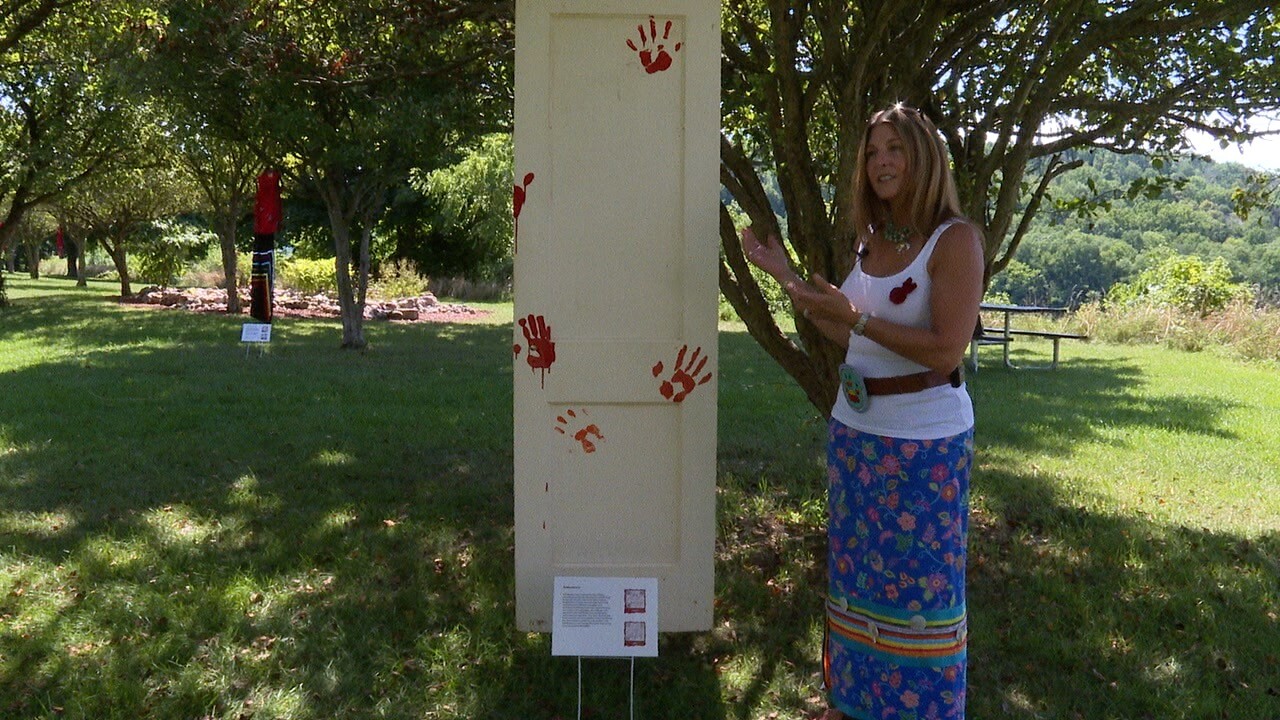
www.wkbw.com
They Served With Honour – Untold Stories Of WA Aboriginal Servicemen At
histwest.org.au
Maps Untold | Eindhoven
www.facebook.com
Moving, Untold Stories Of Indigenous History Shared – PelhamToday.ca
www.pelhamtoday.ca
Moving, untold stories of Indigenous history shared – PelhamToday.ca


Leave a Comment